


Understanding the psychological triggers that keep gamblers coming back
The allure of unpredictability
One of the primary psychological triggers that keep gamblers engaged is the allure of unpredictability. The uncertainty surrounding outcomes in gambling creates a unique thrill that many find irresistible. Players are often drawn to the excitement of not knowing whether they will win or lose, which can lead to a rush of adrenaline. This unpredictability is a core aspect of many popular games, such as slot machines and roulette, where each spin or roll holds the potential for significant rewards. For those looking for alternatives, exploring options can lead to the best casinos not on gamstop that offer unique experiences.
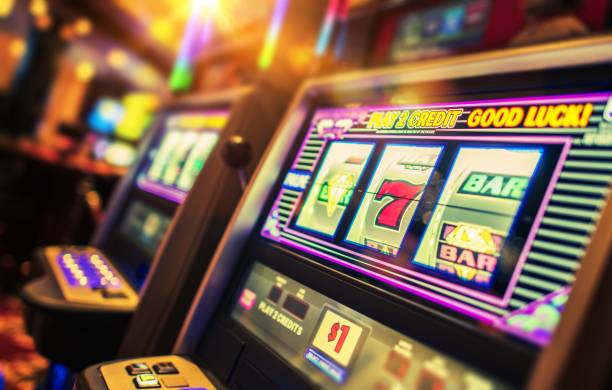
This element of surprise can foster a sense of hope and anticipation, encouraging players to return for more. Each gamble represents a new opportunity for a life-changing win, reinforcing the behavior as players seek to recreate that euphoric feeling. This cycle of uncertainty paired with the promise of reward can make gambling difficult to resist.
The impact of social reinforcement
Social reinforcement plays a crucial role in keeping gamblers engaged with their favorite games. Many gambling environments, whether physical casinos or online platforms, create a sense of community. Gamblers often share stories of their wins and losses, which can build camaraderie among players. This social aspect can enhance the gambling experience, making it more enjoyable and compelling.
Furthermore, observing others win can trigger a desire to experience that same joy. This social proof can act as a powerful motivator, prompting individuals to participate more frequently. The validation from peers not only strengthens one’s gambling habits but also reinforces the emotional connection to the games.
The role of cognitive biases
Cognitive biases significantly influence gambling behavior, often leading players to make irrational decisions. The gambler’s fallacy, for example, is the belief that past events can influence future outcomes. A player might think that after a series of losses, a win is “due,” which can keep them engaged for longer periods. This flawed reasoning leads them to continue gambling in hopes of recouping losses, despite statistical probabilities indicating otherwise.
Another common bias is the illusion of control, where gamblers believe they can influence the outcome of games that are purely based on chance. This belief can make gambling feel more skill-based, encouraging players to come back with the hope that they can improve their odds through strategy or technique. These cognitive triggers create a cycle of continued play, often leading to more significant investments of time and money.
The seductive nature of rewards
The reward systems inherent in gambling games significantly contribute to player retention. Many games employ a variable ratio reinforcement schedule, where players receive rewards at unpredictable intervals. This type of reward system is highly effective at maintaining engagement because it creates a sense of excitement and keeps players coming back for more. The thrill of potentially hitting a jackpot or receiving bonuses can be an irresistible draw.
Moreover, the instant gratification that comes with winning, even if it’s a small amount, serves to reinforce gambling behavior. Players often feel a surge of happiness with each win, which can overshadow the losses they may have incurred. This emotional rollercoaster keeps them returning, as they chase those high moments of victory.

Your guide to informed gambling experiences
Understanding the psychological triggers behind gambling can empower players to make informed choices. Websites like Best Non GamStop Casinos provide valuable insights into gaming behaviors and the best platforms for an engaging experience. By offering expert reviews and detailed analyses, players can find options that align with their preferences while being mindful of their gambling habits.
With a focus on safety and enjoyment, these resources help users explore their options in a responsible manner. By being aware of the psychological factors at play, gamblers can navigate their experiences more thoughtfully, allowing them to enjoy the thrill without falling into detrimental patterns.